
Fulton County Seven-Day Arrest Log
The best official match is CCNO's PDF, “Offenders Booked in the Previous 7 Days,” published by the regional jail rather than one police department. Open it from the Bookings at CCNO page. No single department owns the file. Because the facility serves several counties, an entry can trace to Defiance, Henry, Lucas, Williams, or Fulton, so the arresting-agency and case fields decide whether a booking is truly a Fulton matter.
This report answers a different question than the daily batch. It looks back across several dates. That helps after a holiday or a missed morning check. Sampled PDFs ran 22 and 28 pages. Timestamps landed just after midnight. Neither detail promises a fixed page count or publication time. The window rolls forward, with new days entering and old days leaving.
Read Fulton Arrest Reports Carefully
Start every search with the report date. Then narrow by name and jurisdiction. Photographs alone tell you very little about the booking itself.
- Open the official CCNO booking-report page and choose Previous 7 Days Bookings.
- Read the report heading and generation timestamp to establish the rolling period.
- Search the PDF for the full name, then confirm the booking number and booked date.
- Inspect the arresting agency and court. Fulton County Sheriff, Wauseon Police, Archbold Police, and Swanton Police are useful local markers, but other Fulton-area agencies may appear.
- Compare the charge and case number with the official Fulton court search path.
- Check the current CCNO roster if custody today matters, because a seven-day entry can remain after release.
The Arrested Today view tracks one day only. It fits quick daily checks. For several dates at once, the seven-day report works better, though it still is no archive.
Fields in Fulton Arrest Reports
Entries pair a booking photo with a detailed record. Not every field shows up each time. Read each value for what it is, and leave blanks alone.
| Report field | How to use it |
|---|---|
| Name and booking number | Identify the person and the specific CCNO intake transaction. |
| Booked date and time | Places the facility intake inside the rolling window, not necessarily the police arrest time. |
| Arresting agency | Separates Fulton-area bookings from other CCNO member counties. |
| Case number and court | Direct the next search toward the court record and eventual disposition. |
| Charge and severity | State the charge and intake classification; neither is a conviction. |
| Status | Reflects jail-side information at the report snapshot, not a final judgment. |
| Photo and descriptors | Aid identification where shown, but do not establish conduct or present custody. |
A city or home address may also appear. It does not mark where an incident happened. Bond showed inconsistently in the samples, and release dates stayed off the summary, so the court or CCNO answers those questions. The official report selector keeps the two documents visibly separate.
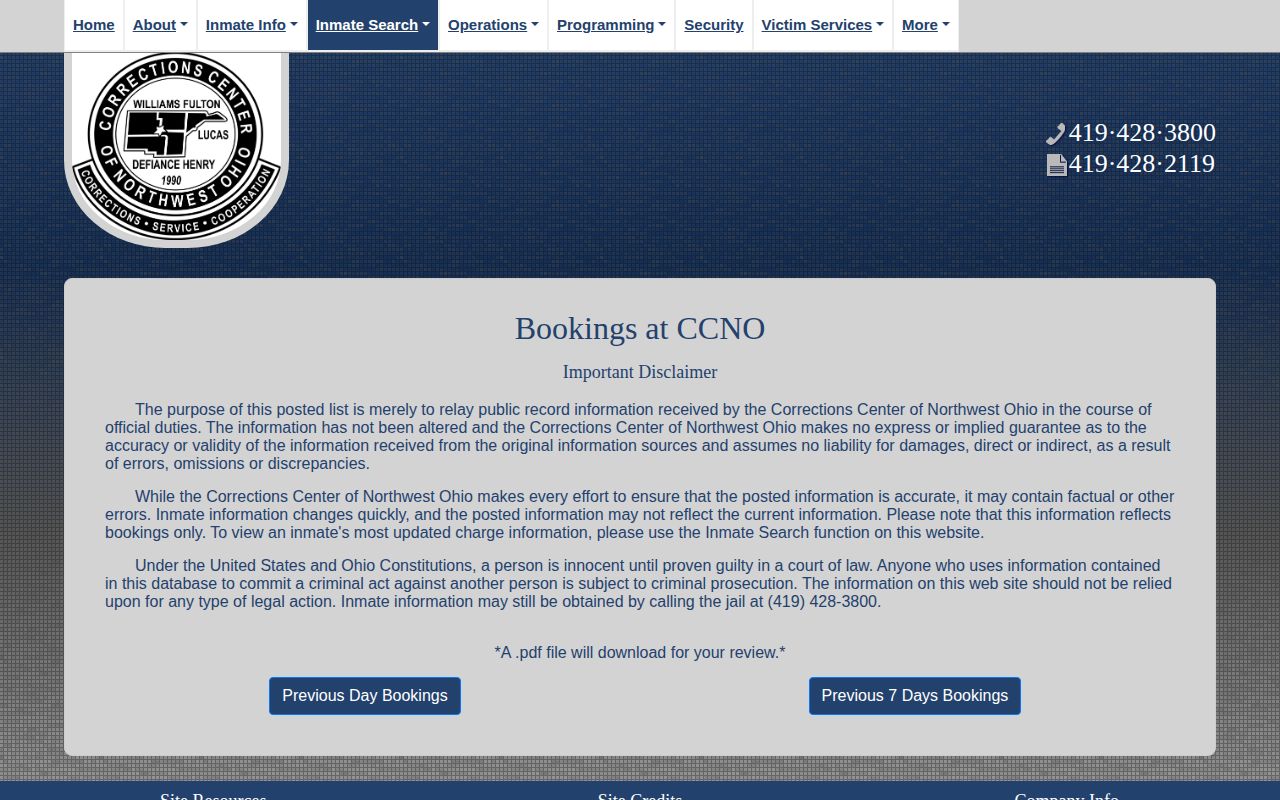
These are two batch windows, not one permanent arrest archive.
Weekend Fulton Arrest Report Timing
CCNO publishes no special weekend or holiday timetable. Sampled seven-day files post just after midnight. Previous-day files came later, in the early morning. Two batch processes clearly exist. That does not lock in a minute for future reports, and one document can still group several closed-office days into a single search. Yet a fresh booking may sit in processing. Transport from a city police agency adds more lag before public data appears.
When the newest day looks thin, try the current inmate search or call CCNO at (419) 428-3800. A second look beats guessing from one missing line.
Note: The research found no official rule that weekends always delay CCNO reports, so observed batch times should not be described as a guarantee.
Older Fulton Arrest Report Archives
The seven-day PDF rolls forward. It is not an annual archive. CCNO lists no long-term online booking archive. Once an entry leaves the PDF, Inmate Search can still find someone who remains in custody. A released person may vanish from the roster. The booking record, agency report, and court docket still exist apart from it.
For older material, ask CCNO through its public-records process for the booking record or photo. Name the person, the approximate booking date, a booking number if known, and the exact record wanted. Then contact the arresting agency. The county notes that a criminal case file request may wait until the case closes. CCNO treats inmate records as public, subject to exemptions.
Ohio sets no single online retention period for booking photos. Local RC-2 schedules control disposal. For older county material, the Fulton Microfilm Center and Records Division can say whether a series was transferred. No digitized CCNO photo series is held there. Ask which schedule governs. Roll-off does not mean deletion.
The official county archive page spells out the local records contact route.
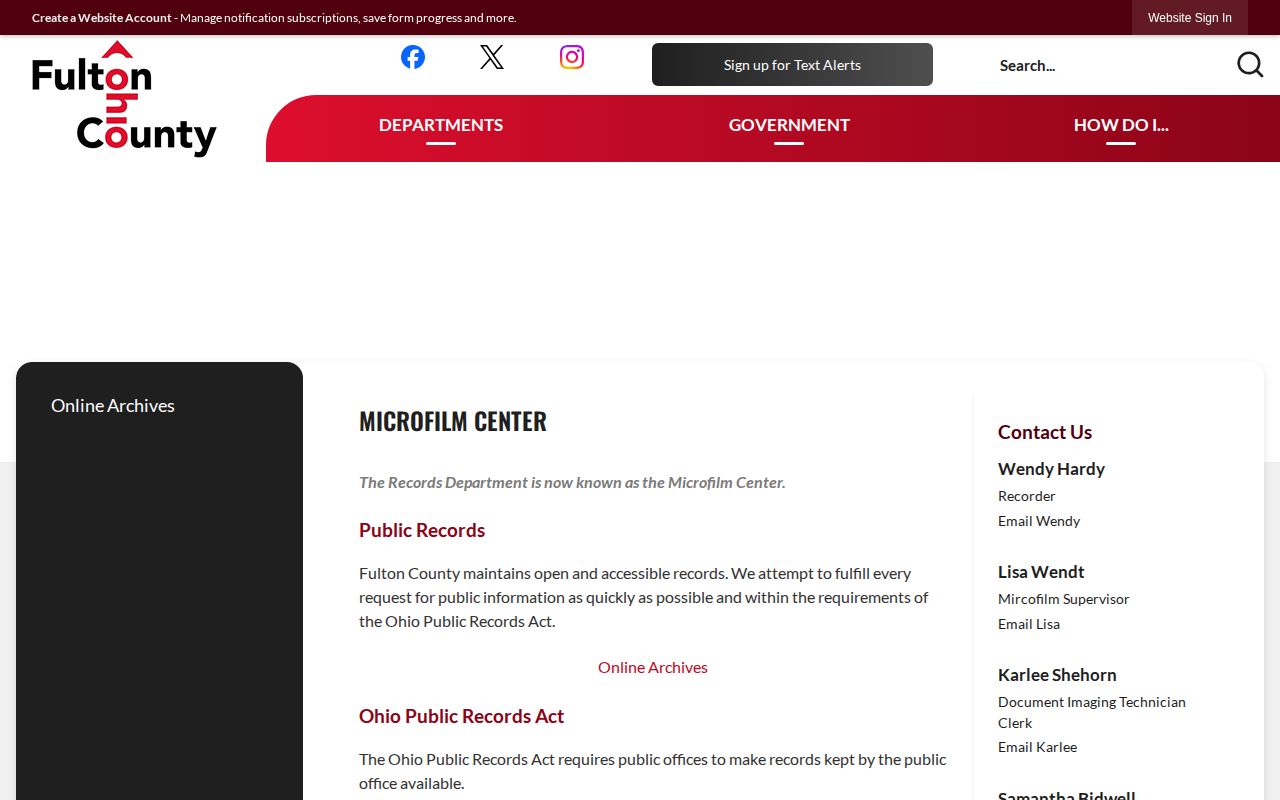
This contact is a fallback, nothing more. It does not promise every regional jail photo sits there.
News Is Not Fulton Arrest Data
News can add context. Check the official report first. The Village Reporter covers Northwest Ohio police, fire, court, and public-safety stories. Its e-editions run alongside the web posts. The Fulton County Expositor may chime in on local crime or court events. Neither outlet runs a complete live booking feed. WTVG covers selected incidents, not every arrest. The Village Reporter site shows how local reporting differs from an official booking document.
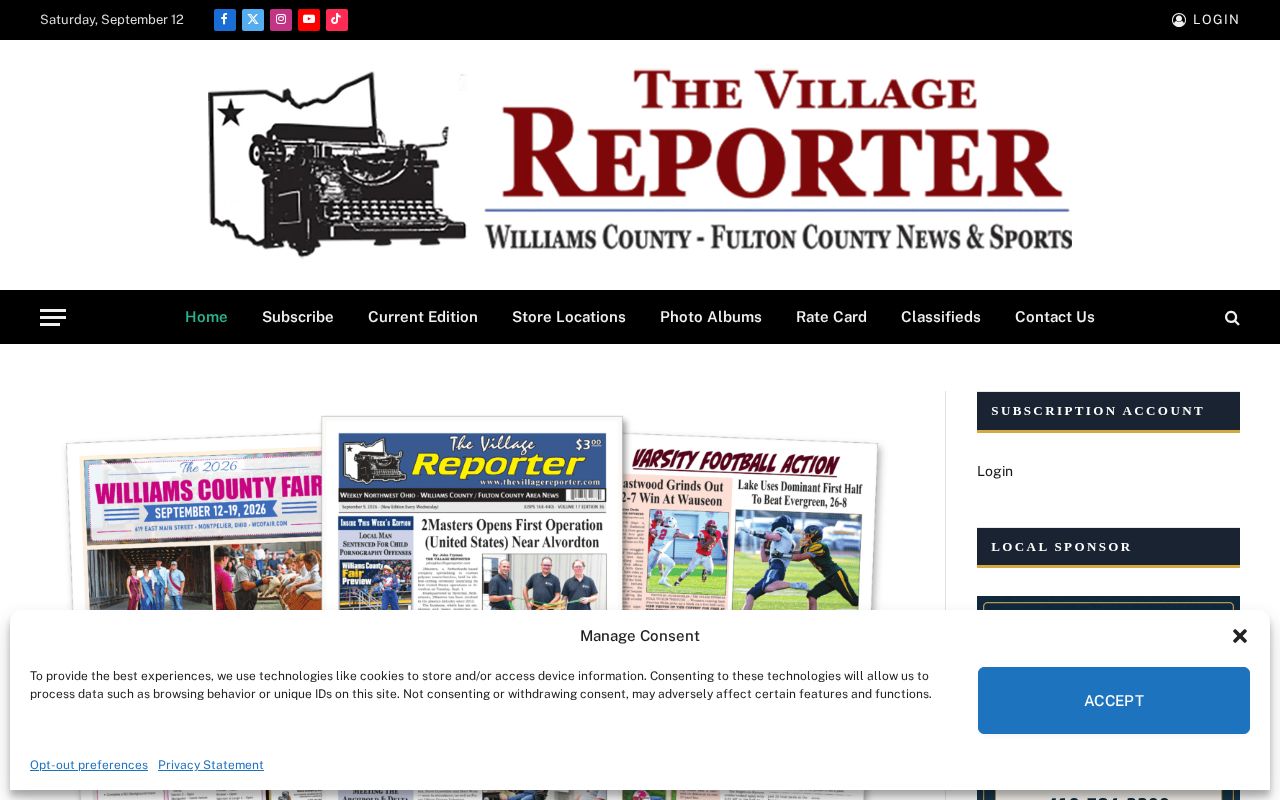
A news story can tell you what happened. It cannot tell you who is in custody. For that, check the CCNO booking records and the Fulton County court directly.
Plenty of unofficial Fulton pages circulate mugshots too. Busted Newspaper, Mugshots.zone, Mugshots.com, and OhioArrests.org all republish booking photos. Others carry stale arrest fields. They can skip records, and their pages often linger online after official custody has changed. RecentlyBooked and Arrests.org list no verified Fulton County, Ohio section. Their similarly named Georgia pages should never be confused with Ohio. For any arrest question, the official CCNO and Fulton court sources come first.
Fulton Arrest Reports Versus Outcomes
An arrest report is a snapshot, not a final word. It preserves the charge exactly as booked. That is how it stood on that day. The court may later dismiss it. It may amend it, accept a plea, change bond, or impose a sentence. So treat the seven-day PDF as one point in time.
Want the full picture? Use the case number and court field to pull the docket. Fulton County's online records page warns of a lag between a filing or judicial act and its display. Even the court site may need a call to the clerk for confirmation. A person sentenced to state prison moves into the ODRC offender-search system. Federal custody shows up in the Bureau of Prisons locator. Immigration detention sits in the ICE locator. None of those replaces the regional booking log.
Keep the report date handy when comparing an old entry with a new docket. The seven-day document may show a charge as it stood at booking. A later court entry records a revised charge or a dismissal. A changed label is not an error. It reflects normal case processing. The clerk, not an unofficial archive, explains the current docket entry.
Public access also has lawful limits. Medical details, confidential investigative material, and protected juvenile data may be withheld or redacted. Other exempt records may be withheld or redacted too. A gap in the arrest report can simply mark that legal boundary. It should never be filled with rumor or someone else's record.